Email marketing remains one of the most effective ways for businesses to build relationships, nurture prospects, and drive repeat sales. But sending more emails does not automatically produce better results. Successful email marketing depends on reaching the right audience, delivering relevant content, protecting sender reputation, and continuously improving campaigns based on measurable data.
Whether you are a small business, eCommerce brand, SaaS company, startup, or marketing professional, the following 10 email marketing best practices can help you create campaigns that are more engaging, trustworthy, and conversion-focused.
1. Build a Permission-Based Email List
A strong email marketing strategy starts with a high-quality subscriber list. Avoid purchasing random email databases or sending promotional messages to people who have not agreed to receive communications from your business.
Use website forms, lead magnets, registrations, product purchases, webinars, and other legitimate opt-in methods to collect subscribers. Make it clear what people will receive and how frequently they can expect emails.
A permission-based list generally produces better engagement and helps reduce spam complaints, invalid addresses, and unnecessary bounces.
For businesses managing large mailing volumes, understanding email verification is also important because removing invalid or risky addresses can improve list quality and protect sender reputation.
2. Segment Your Audience
Sending exactly the same email to every subscriber is rarely the best approach. Your customers have different interests, needs, purchase histories, and levels of engagement.
Segment your audience according to useful characteristics such as:
- Location
- Industry
- Previous purchases
- Website behavior
- Lead source
- Engagement level
- Customer lifecycle stage
- Product interests
For example, a first-time subscriber may need educational content, while an existing customer may respond better to product recommendations, upgrades, or loyalty offers.
Better segmentation allows you to make your messages more relevant without dramatically increasing your sending volume.
3. Write Compelling Subject Lines
Your subject line is one of the first things recipients notice. If it does not communicate value quickly, your carefully designed email may never receive attention.
Effective subject lines are usually concise, specific, and aligned with the content inside the email. Instead of making exaggerated claims, focus on the benefit or curiosity that genuinely exists.
For example:
Weak: “Important Update!!!”
Better: “3 Simple Ways to Improve Your Email Results”
Avoid excessive capitalization, misleading statements, and unnecessary punctuation. Your goal is not simply to increase opens; it is to attract the right attention while maintaining trust.
4. Personalize Beyond the First Name
Adding a subscriber’s first name can be useful, but meaningful personalization goes much further.
Consider using customer interests, previous interactions, purchase behavior, industry, or content preferences to create more relevant campaigns. A B2B software company, for example, could show different content to startup founders and enterprise decision-makers.
Personalization should feel helpful rather than intrusive. Use information that genuinely improves the subscriber’s experience and avoid unnecessary personal details.
The best email campaigns make recipients feel that the message was created for their needs—not simply generated from a database.
5. Focus on Deliverability and Sender Reputation
A beautifully designed campaign is worthless if it consistently lands in spam.
Email deliverability depends on several factors, including sender reputation, authentication, engagement, bounce rates, complaint rates, sending practices, and technical configuration.
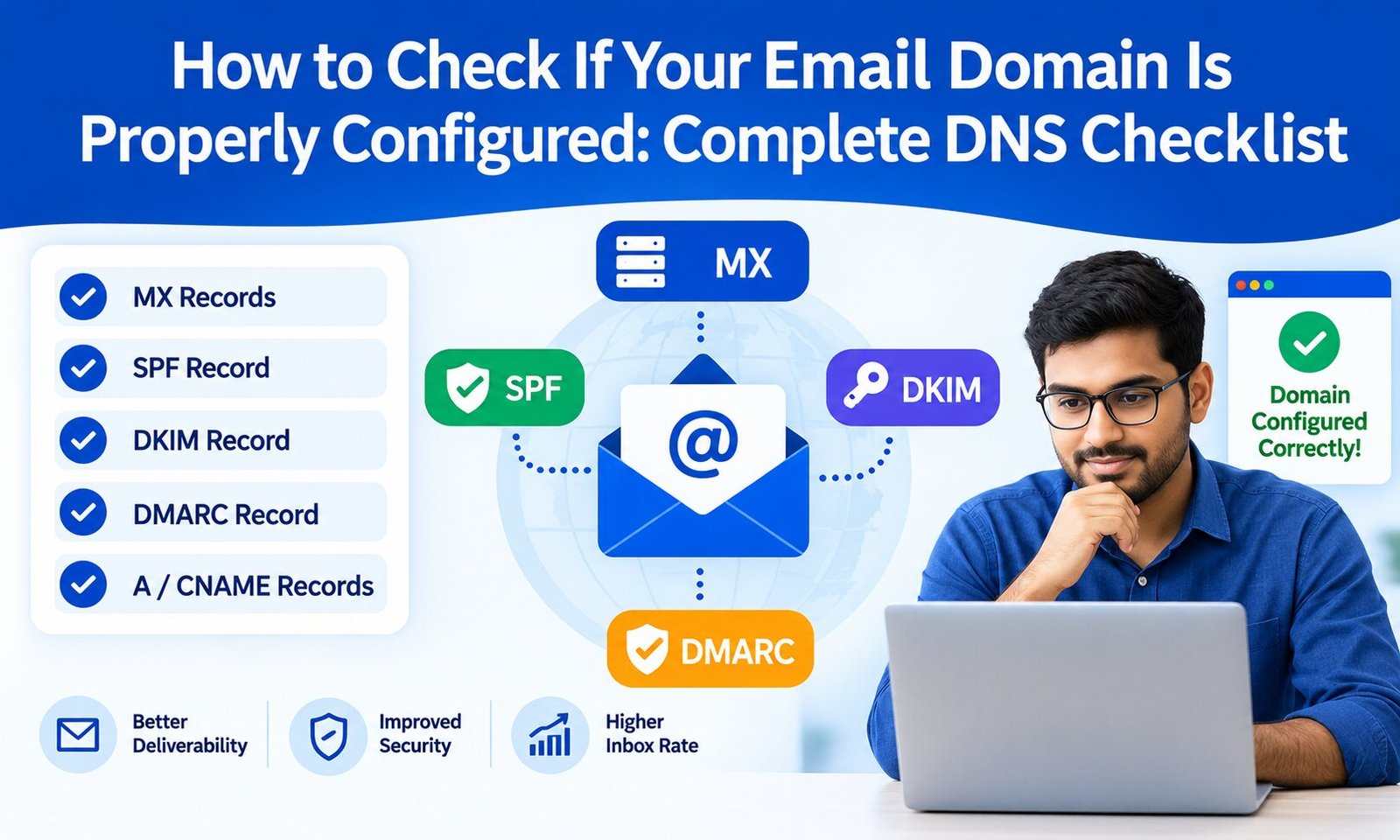
Businesses sending marketing emails at scale should pay particular attention to email authentication technologies such as SPF, DKIM, and DMARC. Monitoring mailbox-provider feedback and keeping an eye on bounce and complaint trends can also reveal problems early.
If your campaigns are frequently reaching spam folders, review your list quality, authentication, engagement, content, and sending patterns instead of simply increasing your sending volume.
You can also learn more about how to stop emails from going to spam for practical deliverability improvements.
6. Optimize Emails for Mobile Devices
A large portion of email activity occurs on smartphones. That makes mobile optimization an essential part of modern email marketing.
Use responsive layouts, readable fonts, short paragraphs, appropriately sized buttons, and images that load efficiently. Make sure your primary call-to-action is easy to find and tap without excessive scrolling or zooming.
Before launching a campaign, test how it appears across different screen sizes and email clients.
Mobile optimization is not simply a design preference—it directly affects usability and the likelihood that recipients will read, click, or convert.
7. Provide Valuable and Relevant Content
Promotional emails have their place, but constantly pushing sales messages can cause subscribers to disengage.
Create a healthy balance between promotional and educational content. Depending on your audience, useful emails might include:
- Industry insights
- How-to guides
- Product education
- Case studies
- Exclusive offers
- Research or statistics
- Tips and tutorials
- New product announcements
- Customer success stories
Ask yourself one simple question before sending: “What does the recipient gain from opening this email?”
If the answer is clear, your campaign has a stronger chance of creating genuine value.
8. Use Clear Calls to Action
Every marketing email should have a clear purpose. Do you want subscribers to purchase something, download a resource, request a consultation, register for an event, or read an article?
Make that desired action obvious.
Use concise CTA language such as Get Started, View the Offer, Download the Guide, or Book a Consultation. Avoid filling an email with multiple competing CTAs unless the campaign genuinely requires several actions.
A focused email makes it easier for readers to understand what to do next.
9. Test, Measure, and Improve
Professional email marketing is an ongoing optimization process. Do not rely entirely on assumptions about what your audience prefers.
Test variables such as:
- Subject lines
- Send times
- CTA wording
- Email length
- Content format
- Images
- Personalization
- Offers
- Landing pages
Then evaluate meaningful performance metrics, including click-through rate, conversion rate, unsubscribe rate, bounce rate, complaint rate, and revenue generated.
Open rates can provide useful directional information, but they should not be treated as the only measure of success. Ultimately, connect email engagement to business outcomes.
For a deeper performance-focused approach, explore these roadmaps to improve email campaign performance and identify which metrics matter most for your goals.
10. Maintain Consistent, Trustworthy Communication
Consistency builds familiarity and trust. That does not mean sending emails every day. Instead, establish a frequency your audience can reasonably expect and maintain a recognizable brand voice.
Your emails should clearly identify your business, provide useful information, and make unsubscribing straightforward. Respecting subscriber preferences is not only good marketing practice; it also supports long-term list health.
Review inactive subscribers periodically and consider re-engagement campaigns before deciding whether to suppress them. A smaller, engaged audience can be more valuable than a huge database filled with inactive contacts.
Final Thoughts
Mastering email marketing is not about sending the maximum number of messages. It is about sending the right message, to the right person, at the right time, through a trustworthy delivery system.
Start with permission-based list building, meaningful segmentation, strong content, mobile-friendly design, and clear calls to action. Then strengthen your strategy with authentication, deliverability monitoring, testing, and data-driven optimization.
Most importantly, treat subscribers as people rather than email addresses. When every campaign provides genuine value and respects the recipient’s expectations, email can become a dependable channel for engagement, customer retention, and long-term business growth.
By consistently applying these 10 email marketing best practices, businesses can move beyond basic email blasts and build a professional marketing system designed for sustainable results.