Choosing the right SMTP solution can have a major impact on email deliverability, sending speed, reliability, and campaign management. For businesses sending thousands or millions of emails, the decision is more complicated than simply choosing the cheapest SMTP provider.
One option that frequently comes up in discussions about high-volume email infrastructure is PowerMTA. It is designed for organizations that want greater control over their email-sending environment, while cloud-based SMTP platforms focus more on convenience, managed infrastructure, and ease of use.
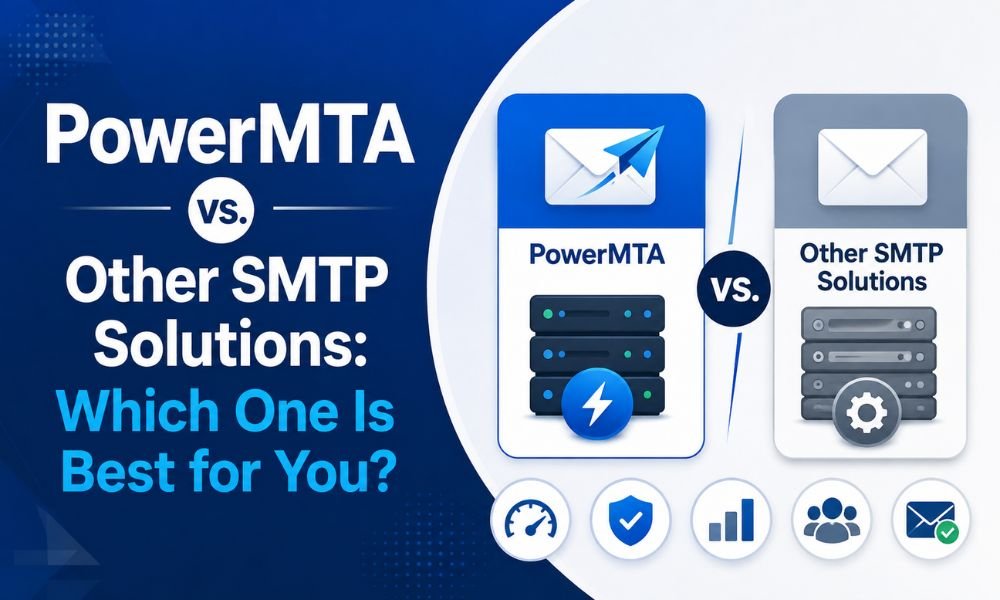
So, is PowerMTA better than other SMTP solutions? The answer depends on your sending volume, technical expertise, budget, deliverability requirements, and how much control you want over your infrastructure.
What Is PowerMTA?
PowerMTA is a commercial mail transfer agent (MTA) used to send large volumes of email through an SMTP infrastructure. Unlike many managed email platforms, an MTA can give organizations significant control over how messages are queued, routed, throttled, and delivered.
This makes PowerMTA particularly relevant for businesses operating high-volume email programs, email service providers, marketing platforms, and organizations that require customized sending policies.
However, greater control also means greater responsibility. A PowerMTA installation typically requires technical knowledge for server configuration, authentication, monitoring, reputation management, bounce handling, security, and ongoing optimization.
In other words, PowerMTA can be powerful—but it is not automatically the best choice for every business.
PowerMTA vs. Cloud SMTP Services
Cloud SMTP providers are popular because they remove much of the infrastructure management from the customer’s responsibilities. Instead of maintaining your own mail server, you generally connect your application or email platform to the provider’s SMTP or API infrastructure.
The major difference is control versus convenience.
With PowerMTA, businesses can have greater control over their infrastructure and sending configuration. With a managed SMTP service, much of the technical infrastructure is handled by the provider.
For startups and small businesses, managed SMTP services can therefore be easier to deploy. Larger organizations with experienced technical teams may prefer the customization available from an MTA-based environment.
If you are still evaluating the fundamentals of SMTP infrastructure, our guide to choosing the right SMTP server for bulk email campaigns provides additional considerations.
PowerMTA vs. Traditional Shared SMTP
Shared SMTP services are generally designed to make email sending accessible without requiring customers to operate their own infrastructure.
They can work well for smaller campaigns, transactional emails, newsletters, and businesses that do not need extensive infrastructure customization.
The potential limitation is that you have less control over the underlying sending environment. Depending on the provider, sending reputation and infrastructure policies may also be shared across multiple customers.
PowerMTA can be more attractive when an organization needs dedicated infrastructure and detailed control over sending behavior.
However, dedicated infrastructure does not automatically guarantee inbox placement. Sender reputation, authentication, list quality, engagement, complaint rates, bounce rates, content, and recipient-provider policies all influence deliverability.
PowerMTA vs. SMTP APIs
Modern email providers often offer APIs in addition to SMTP. An API-based approach can be especially convenient for software applications because developers can integrate email functionality directly into their systems.
SMTP remains widely supported and is useful when an application, CRM, website, or email platform already supports SMTP credentials.
PowerMTA is different because it represents the underlying mail-transfer infrastructure rather than simply being another hosted email API.
For businesses with developers and infrastructure teams, an MTA can provide extensive customization. For teams primarily interested in sending emails without managing servers, a managed SMTP API may be the more practical solution.
Key Factors to Consider Before Choosing PowerMTA
1. Email Sending Volume
Your sending volume should be one of the first considerations.
If you send a few hundred or a few thousand emails per month, investing in complex SMTP infrastructure may provide little practical benefit.
If your organization sends hundreds of thousands or millions of messages, however, infrastructure control can become much more important.
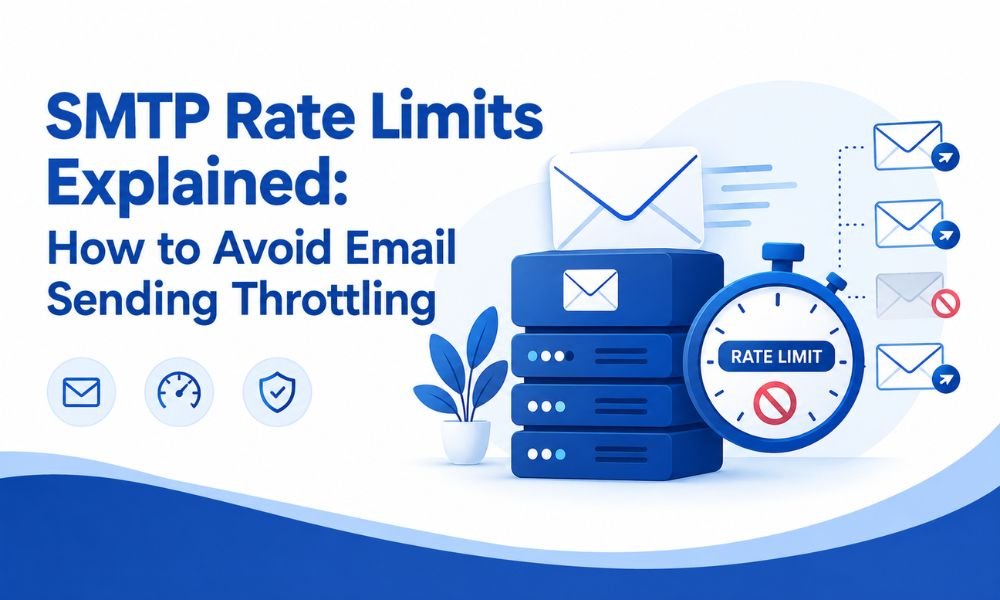
High-volume senders need reliable queue management, monitoring, throttling, bounce processing, and reputation controls.
2. Technical Expertise
PowerMTA is better suited to businesses that have access to technical professionals who understand SMTP, DNS, mail servers, Linux administration, authentication, IP reputation, and email deliverability.
A managed SMTP provider may be preferable if your team does not want to maintain this infrastructure.
Before choosing any solution, consider not only the software cost but also the operational cost of managing it.
3. Deliverability Requirements
Deliverability should be a central part of your decision.
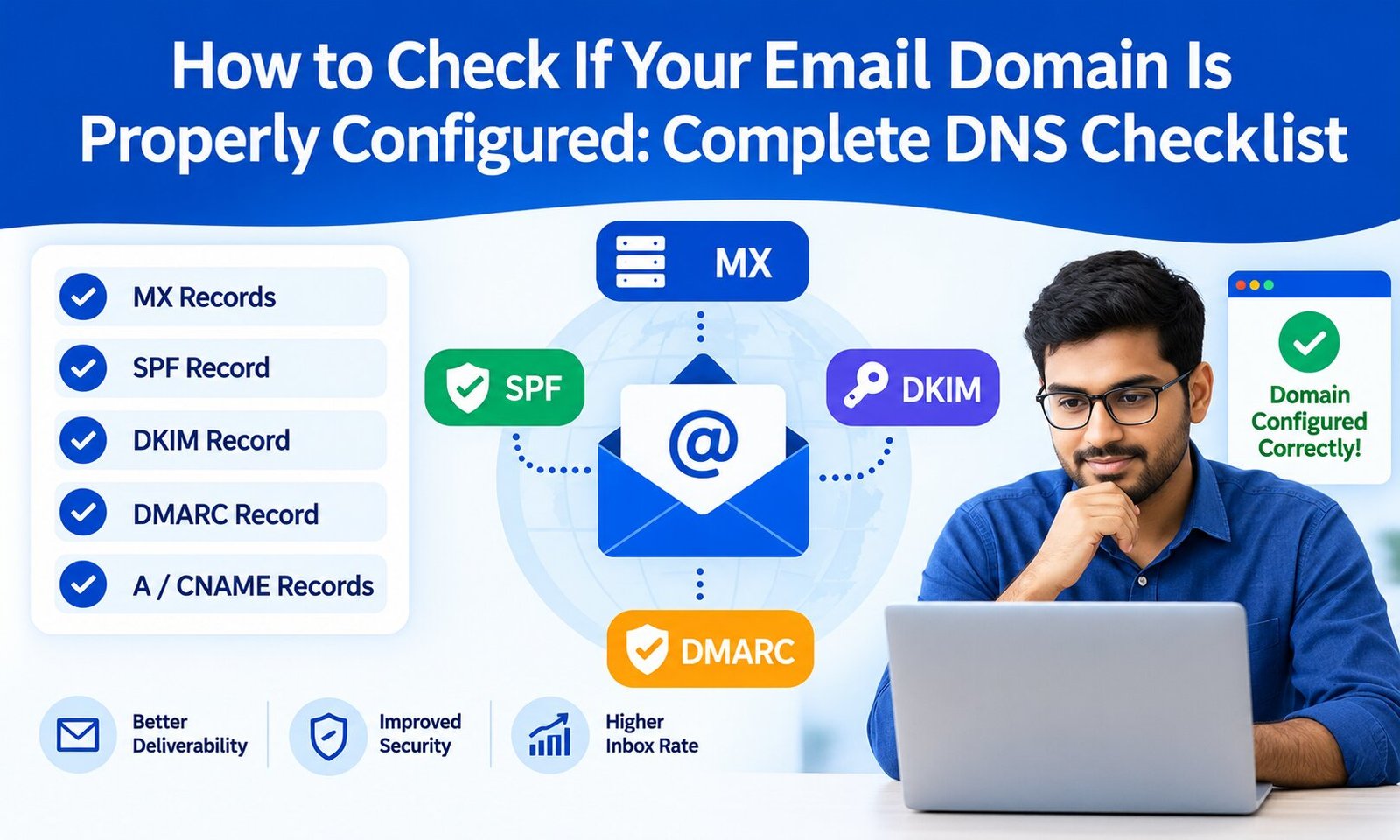
A technically powerful SMTP server cannot compensate for poor-quality email lists or irresponsible sending practices. Your organization should implement SPF, DKIM, DMARC, appropriate DNS configuration, bounce management, suppression processes, and reputation monitoring.
It is also important to understand that purchasing dedicated IP addresses does not instantly create a good sender reputation. New IPs and domains generally require responsible sending patterns and reputation building.
For businesses planning a new sending infrastructure, our guide on how to warm up new email domains without hurting deliverability covers an important part of this process.
4. Scalability
A good SMTP solution should support your future requirements rather than only your current campaign volume.
PowerMTA can be attractive for organizations that require highly configurable, high-volume infrastructure. Managed platforms can also scale effectively while reducing the technical workload associated with server administration.
The right choice depends on whether you want to scale infrastructure internally or outsource much of that responsibility.
5. Cost
Cost should be evaluated beyond the advertised monthly price.
With a self-managed PowerMTA environment, you may need to account for licensing, servers, IP addresses, system administration, monitoring, security, maintenance, backup systems, and deliverability management.
A managed SMTP platform may have a higher per-email cost but can reduce infrastructure and staffing requirements.
Therefore, the cheapest SMTP solution is not necessarily the most cost-effective option.
Which SMTP Solution Is Best for You?
There is no universal winner.
PowerMTA may be a strong choice if:
- You send very large volumes of email.
- You need extensive control over SMTP infrastructure.
- You have experienced technical resources.
- You want customized routing and throttling policies.
- You are prepared to manage deliverability and server reputation.
- Infrastructure ownership or customization is important to your business.
A managed SMTP provider may be better if:
- You want faster implementation.
- You have limited server-management expertise.
- You prefer predictable infrastructure management.
- Your development team wants a simple SMTP or API integration.
- You do not want to maintain mail-server infrastructure yourself.
For smaller organizations, startups, and businesses without dedicated infrastructure teams, simplicity can often be more valuable than having every possible configuration option.
Final Verdict: PowerMTA or Another SMTP Solution?
PowerMTA is not automatically better than every other SMTP solution. Its main advantage is the level of control and customization it can provide for organizations operating sophisticated, high-volume email infrastructure.
Managed SMTP platforms, on the other hand, can be the better choice for businesses that prioritize convenience, quick deployment, scalability, and reduced infrastructure management.
The most important question is not “Which SMTP server is the most powerful?” but “Which SMTP infrastructure matches my business requirements?”
Before making a decision, compare sending volume, technical resources, deliverability requirements, scalability, security, monitoring, pricing, and operational complexity.
For organizations with large-scale sending requirements and the expertise to manage their infrastructure, PowerMTA can be a compelling option. For businesses that want reliable email delivery without managing the underlying mail server, a reputable managed SMTP service may provide better overall value.
Ultimately, the best SMTP solution is the one that delivers the right balance of control, reliability, deliverability, scalability, and total cost of ownership for your specific email strategy.