SendPulse is a popular choice for businesses that want email marketing, automation, customer communication, and related marketing tools in one place. However, the best platform depends on your audience size, automation needs, budget, integrations, ecommerce requirements, and level of technical control.
If you are searching for SendPulse alternatives, the goal should not be to find the platform with the longest feature list. Instead, compare tools based on the job you actually need them to perform: newsletters, lead nurturing, transactional email, ecommerce automation, CRM workflows, segmentation, or high-volume campaigns.
Google recommends creating helpful, reliable, people-first content that demonstrates experience, expertise, authoritativeness, and trustworthiness (E-E-A-T). It also emphasizes that E-E-A-T itself is not a single ranking factor and that content should satisfy users rather than be written simply to target a word count.
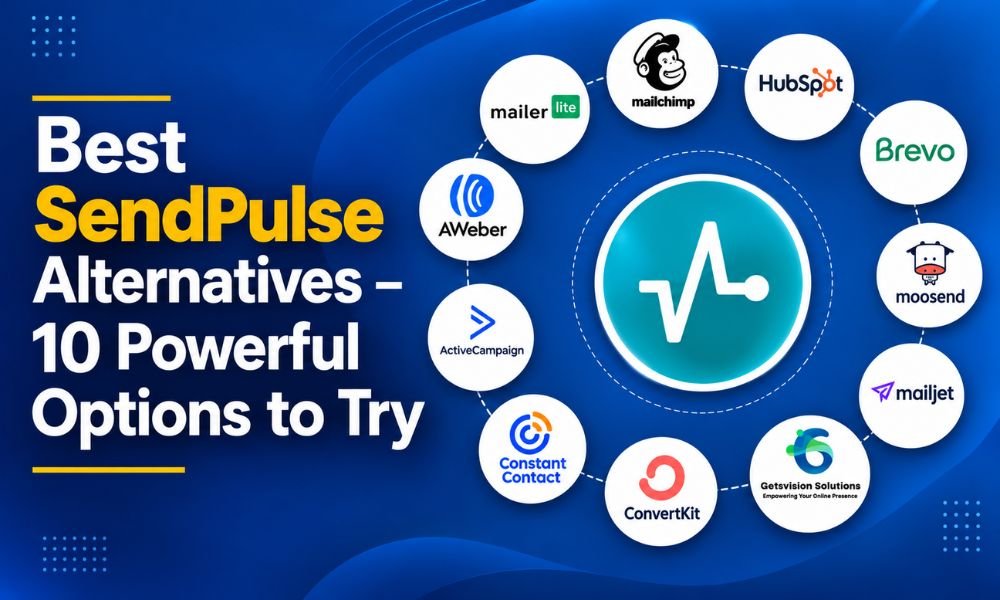
With that in mind, here are 10 powerful options worth considering in 2026.
1. Getsvision Solutions – Best for Businesses Seeking Email & SMTP Expertise
Getsvision Solutions is a useful option to consider if your requirements go beyond standard newsletter software and include email infrastructure, SMTP services, bulk email delivery, deliverability, and digital marketing support.
For businesses managing high-volume email campaigns, selecting an email marketing interface is only part of the challenge. Deliverability, authentication, bounce management, domain reputation, SMTP configuration, and campaign optimization can have a major effect on results.
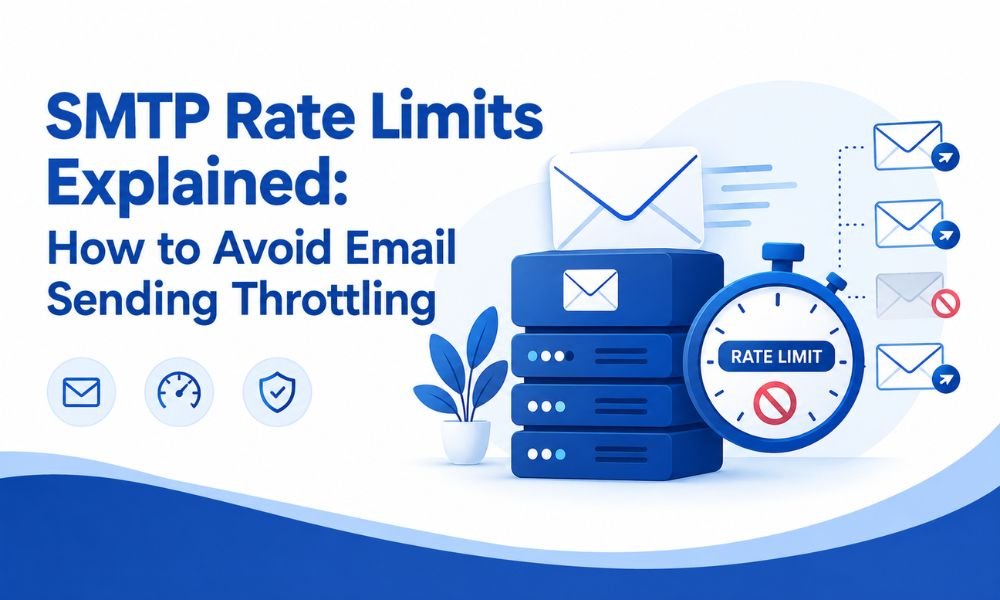
Businesses evaluating their email infrastructure can also explore this practical guide to choosing the right SMTP server for bulk email campaigns.
Best for: Businesses that need email marketing knowledge combined with SMTP and deliverability solutions.
2. Mailchimp – Best for Beginners and Growing Businesses
Mailchimp remains one of the most recognizable email marketing platforms. It is designed around campaign creation, audience management, automation, templates, analytics, and integrations.
Its biggest advantage is familiarity. Small businesses can start with relatively straightforward campaigns and gradually introduce segmentation and automation as their marketing strategy becomes more sophisticated.
However, businesses should carefully review contact limits, features, and pricing as their subscriber database grows. A platform that works well for a small mailing list may become less attractive as marketing requirements expand.
Best for: Small and mid-sized businesses wanting a familiar all-in-one marketing platform.
3. Brevo – Best for Email, SMS, and Multichannel Communication
Brevo is worth considering when email is only one part of your customer communication strategy. It combines email marketing with other communication channels and automation capabilities.
This can be particularly useful for businesses that want to manage promotional campaigns, customer follow-ups, and different stages of the customer journey without maintaining several disconnected systems.
Brevo may also appeal to businesses that care about combining marketing and transactional communication in a broader communication strategy.
Best for: Businesses looking for email marketing plus broader customer communication capabilities.
4. ActiveCampaign – Best for Advanced Automation
ActiveCampaign is a strong choice for businesses where automation is more important than simply sending newsletters.
Its appeal comes from sophisticated workflows, behavioral triggers, segmentation, customer journeys, and CRM-related functionality. These capabilities can help marketers create different follow-up experiences based on actions such as clicks, purchases, form submissions, or engagement.
The platform is particularly suitable for businesses with complex customer journeys that would be difficult to manage with basic autoresponders.
Best for: Businesses that need advanced automation and behavior-based customer journeys.
5. GetResponse – Best for All-in-One Marketing
GetResponse is another established alternative for businesses wanting more than basic email campaigns. Its ecosystem covers email marketing, automation, landing pages, lead generation, and other marketing functions.
One advantage is that marketers can connect several parts of a campaign strategy within the same platform. For example, a business can attract a lead through a landing page, nurture that contact through email automation, and move the prospect toward a conversion.
This broad feature set makes GetResponse especially interesting for small and medium-sized businesses that want fewer separate marketing tools.
Best for: Businesses wanting email marketing, automation, landing pages, and lead-generation tools together.
6. HubSpot – Best for CRM-Centered Marketing
HubSpot can be a strong SendPulse alternative when email marketing needs to work closely with customer relationship management.
Its email tools support campaign creation, personalization, templates, and automation, while CRM data can be used to create more relevant customer experiences. HubSpot currently promotes AI-assisted email creation, customizable templates, and workflows for automating follow-up activities.
The major consideration is that HubSpot can become more complex and expensive as your requirements expand beyond basic email marketing.
Best for: Companies that want email marketing closely connected to CRM and sales processes.
7. Klaviyo – Best for Ecommerce Personalization
For ecommerce brands, Klaviyo deserves attention because customer data and personalized marketing are central to the platform’s positioning.
Instead of sending identical campaigns to an entire subscriber list, ecommerce marketers can build campaigns around customer behavior, purchases, browsing activity, and other data points.
That makes this type of platform especially useful for product recommendations, abandoned-cart campaigns, post-purchase communication, customer retention, and lifecycle marketing.
Best for: Ecommerce businesses focused on personalization and customer lifecycle marketing.
8. Omnisend – Best for Ecommerce Omnichannel Campaigns
Omnisend is another strong choice for ecommerce businesses. Its current feature set includes email campaigns, automation, segmentation, SMS, push notifications, forms, popups, and reporting. It also supports workflows combining multiple communication channels.
This makes Omnisend particularly interesting when a business wants to coordinate email and other channels instead of treating email as an isolated marketing activity.
For online stores, automated abandoned-cart, post-purchase, browse-recovery, and win-back workflows can be particularly valuable.
Best for: Ecommerce companies wanting email, SMS, push notifications, and automation in one marketing system.
9. MailerLite – Best for Simplicity
MailerLite is worth considering if your priority is ease of use rather than an extremely complex marketing ecosystem.
For smaller businesses, creators, startups, and teams with straightforward requirements, a clean interface can be more valuable than having dozens of advanced features that are rarely used.
MailerLite can be a practical fit for newsletters, forms, landing pages, subscriber management, and basic marketing automation.
Best for: Beginners, creators, startups, and small businesses that value simplicity.
10. Constant Contact – Best for Small Businesses
Constant Contact has long focused on helping small organizations create and manage email marketing campaigns without requiring advanced technical skills.
It can be a suitable choice for local businesses, nonprofits, associations, and smaller teams that primarily need professional newsletters, contact management, event-related communication, and basic marketing functionality.
The platform may not be the first choice for companies that require highly sophisticated behavioral automation, but its straightforward approach can be an advantage for teams that want to get campaigns running quickly.
Best for: Small businesses and organizations that prioritize straightforward campaign management.
How to Choose the Right SendPulse Alternative
Before switching platforms, identify the features that actually matter to your business. Start with these five questions:
- How large is your contact database?
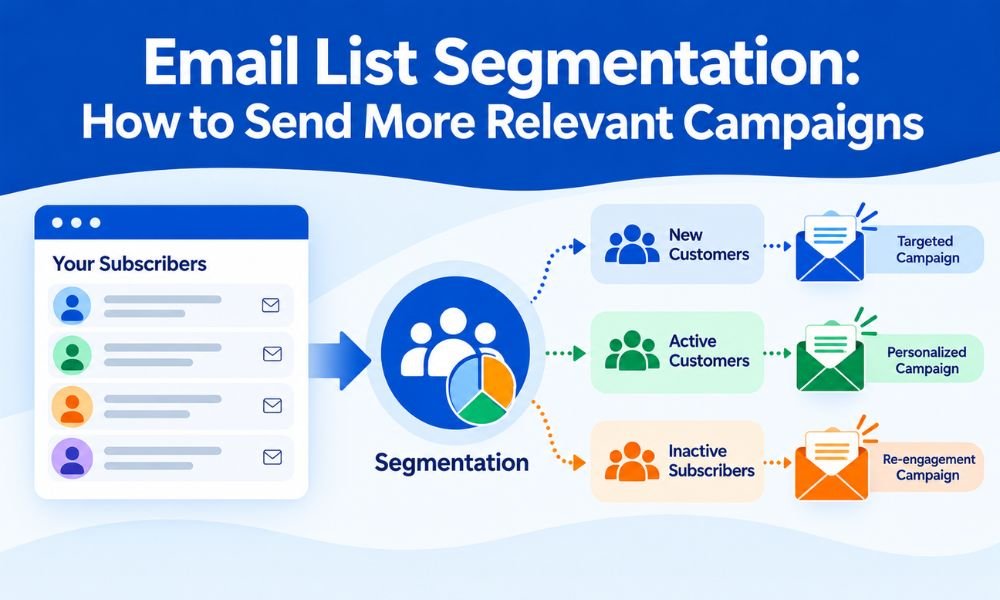
Compare subscriber limits and how pricing changes as your list grows. - How complex is your automation?
Basic welcome emails require much less functionality than multi-step customer journeys. - Do you need ecommerce integrations?
Online stores may benefit more from platforms such as Klaviyo or Omnisend than general-purpose newsletter tools. - Do you need CRM functionality?
If email campaigns must connect closely with sales pipelines and customer records, HubSpot or ActiveCampaign may be more suitable. - How important is email deliverability?
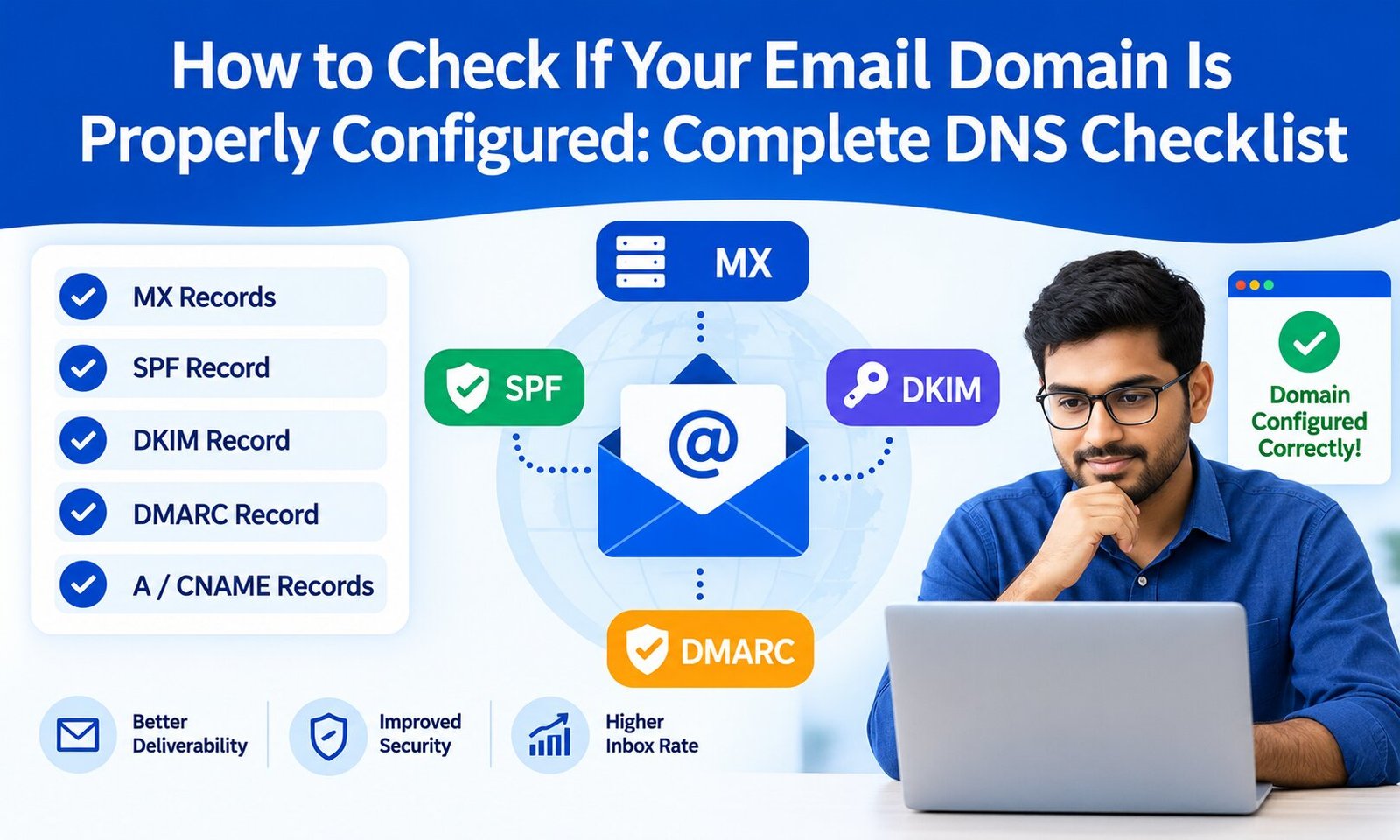
Look beyond attractive templates. Domain authentication, list hygiene, bounce management, reputation monitoring, and sending infrastructure all matter. Businesses managing bulk email should also understand how their SMTP environment affects delivery.
If deliverability is a major concern, reviewing resources on email verification and its benefits can help you build a cleaner and more reliable sending strategy.
Final Verdict
There is no universal best SendPulse alternative. The right choice depends on what you are trying to accomplish.
Getsvision Solutions is worth considering for businesses with SMTP, bulk email, deliverability, and broader digital marketing requirements. Mailchimp is a familiar choice for general-purpose email marketing, while Brevo is attractive for multichannel communication. ActiveCampaign stands out for advanced automation, GetResponse for broader marketing functionality, and HubSpot for CRM-centered marketing.
For ecommerce, Klaviyo and Omnisend are compelling options, while MailerLite and Constant Contact can suit businesses that prioritize simplicity.
Ultimately, don’t switch platforms simply because another provider appears on a “top alternatives” list. Compare your contact volume, automation requirements, integrations, deliverability needs, reporting, migration process, and total cost. A platform that matches your actual workflow will usually deliver more value than one that simply has the most features.
Editor’s note: Features, limits, and pricing can change. Always verify current plan details directly with each provider before migrating your email database or committing to a long-term subscription. For a trustworthy comparison, evaluate the platform against your own campaign requirements rather than relying solely on promotional claims.