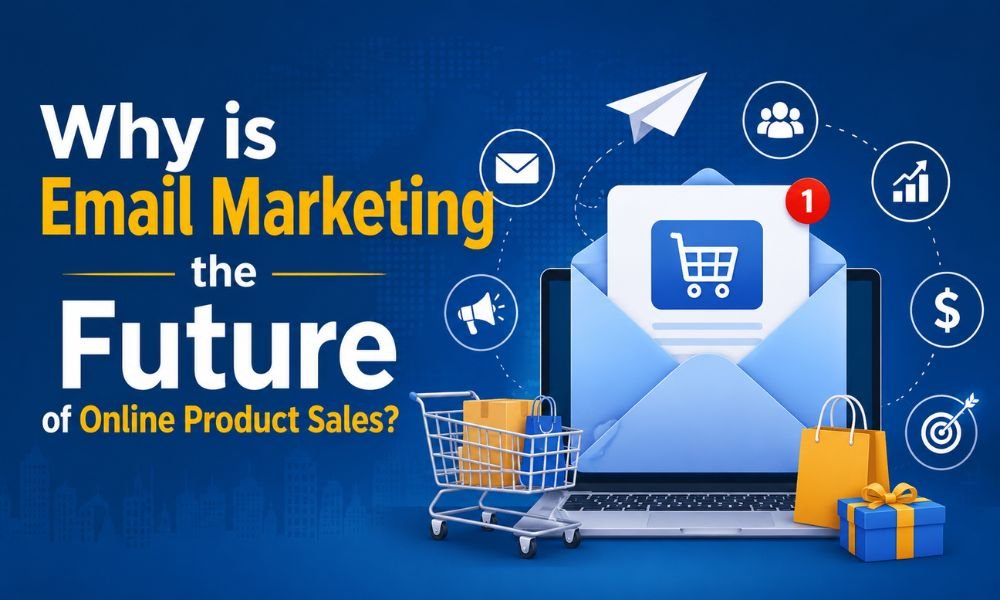
Email marketing has evolved far beyond sending promotional messages to a list of subscribers. Today, it is a powerful customer-acquisition, engagement, retention, and sales channel that allows businesses to communicate with people who have already shown an interest in their products or services.
As online competition continues to increase, businesses need marketing channels that are measurable, personalized, and capable of building long-term customer relationships. Email marketing meets all three requirements.
The future of online product sales will not depend only on attracting more visitors. It will increasingly depend on how effectively businesses turn visitors into subscribers, subscribers into customers, and first-time buyers into repeat customers. This is where email marketing has a major advantage.
What Makes Email Marketing So Important for Online Sales?
Consumers interact with brands across search engines, social media, websites, marketplaces, and messaging platforms. However, these channels do not always give businesses direct and consistent access to their audiences. Email provides a permission-based communication channel that businesses can use to nurture relationships over time.
Instead of relying on a customer to discover a social media post or return to a website, a company can send relevant information directly to a subscriber’s inbox. Product launches, educational content, special offers, abandoned-cart reminders, order updates, recommendations, and loyalty campaigns can all become part of an automated customer journey.
For businesses selling products online, this creates multiple opportunities to influence purchasing decisions without repeatedly paying to reach the same customer.
1. Email Marketing Builds an Owned Audience
One of the biggest reasons email marketing has a strong future is audience ownership.
Social platforms can change algorithms, advertising costs can fluctuate, and organic reach can decline. Businesses that depend entirely on third-party platforms have limited control over how and when their content reaches potential customers.
An email subscriber list is different. With proper consent and responsible data management, businesses can develop a direct relationship with their audience.
This does not mean email lists should be treated simply as databases for promotions. Successful brands use subscriber data to understand interests, preferences, purchase behavior, and engagement. The result is more relevant communication and a better customer experience.
2. Personalization Makes Email More Effective
Modern consumers expect brands to understand their needs. Sending the same message to every subscriber is no longer the most effective approach.
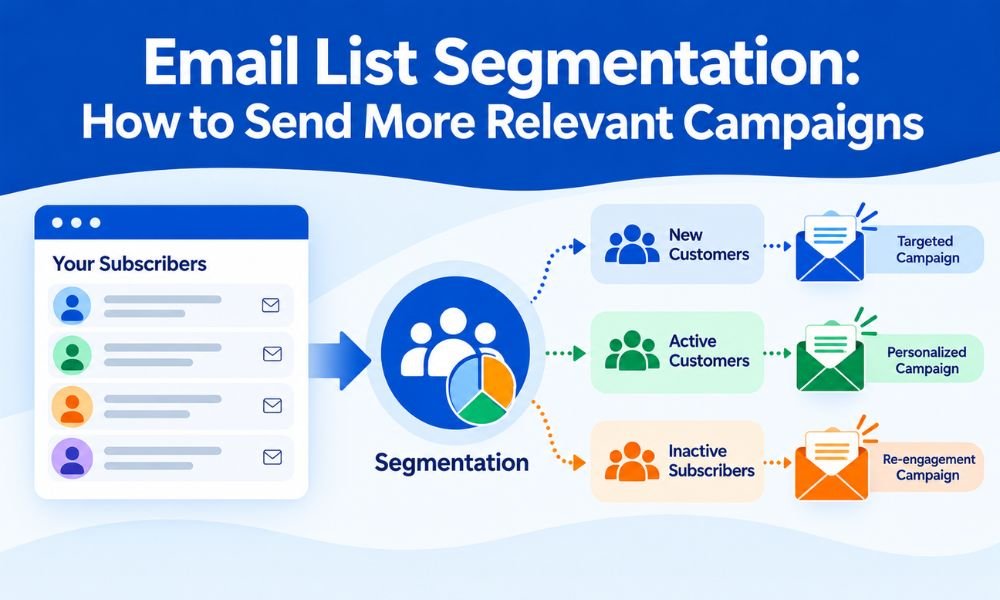
Email marketing platforms allow businesses to segment audiences based on factors such as previous purchases, browsing behavior, location, interests, engagement level, and customer lifecycle stage.
For example, an online clothing store could send new-arrival recommendations to active customers while sending a re-engagement campaign to subscribers who have not purchased recently. A software company could provide onboarding emails to new users and advanced product tips to experienced customers.
This level of personalization makes email more relevant and can help move customers closer to a purchase decision.
3. Automation Creates Sales Opportunities Around the Clock
Email automation is another reason the channel will remain important for online product sales.
Businesses can create automated workflows that respond to specific customer actions. A welcome email can be triggered after signup. A product recommendation can follow a purchase. An abandoned-cart sequence can remind a shopper about products left behind. A re-engagement campaign can attempt to reconnect with inactive subscribers.
Automation reduces repetitive manual work while allowing businesses to communicate at important moments in the customer journey.
The key is not automation for its own sake. Effective automation should deliver useful information at the right time rather than overwhelming subscribers with unnecessary messages.
4. Email Marketing Supports Customer Retention
Generating a first purchase is only part of online sales growth. Repeat purchases can be equally important because businesses have already invested resources in acquiring the customer.
Email provides a practical way to maintain relationships after the transaction.
A company can send product education, usage tips, complementary-product recommendations, loyalty offers, seasonal promotions, and helpful content. These communications keep the brand relevant while providing customers with reasons to return.
Retention-focused campaigns can be particularly valuable for e-commerce businesses selling products that customers purchase repeatedly.
5. It Is Highly Measurable
Another major advantage is measurement.
Businesses can track metrics such as delivery rates, opens, clicks, conversions, unsubscribes, bounces, and revenue generated from campaigns. These insights make it possible to identify what is working and where improvements are required.
For example, a campaign may achieve strong open rates but weak conversions. That could indicate that the subject line successfully attracted attention while the offer, landing page, product positioning, or call to action needs improvement.
Likewise, high bounce rates can indicate problems with list quality or email addresses. Maintaining a healthy database and monitoring deliverability are therefore essential parts of sustainable email marketing.
6. Deliverability Will Become Even More Important
As email volumes increase, simply sending more messages will not guarantee better results. Businesses must ensure that legitimate emails reach recipients’ inboxes.
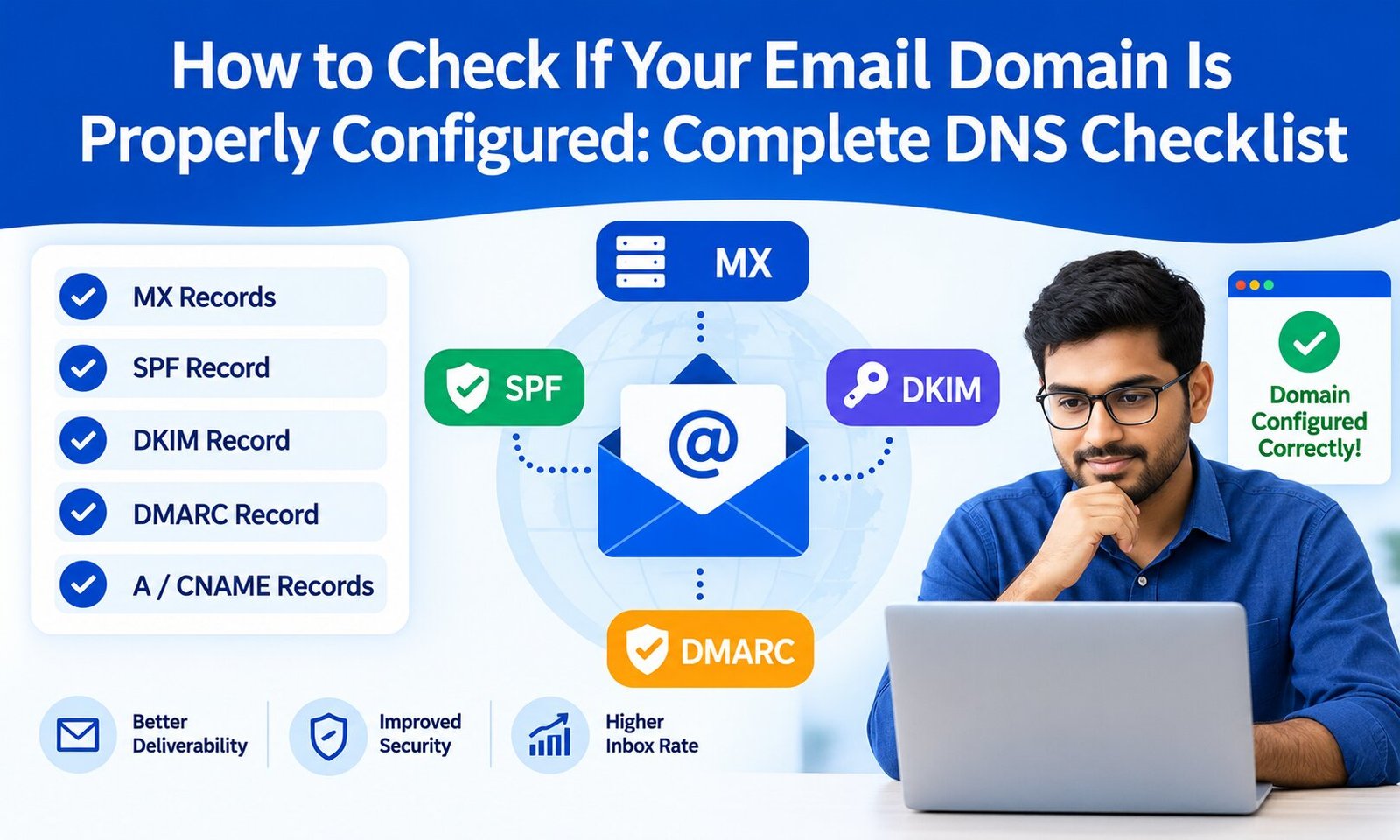
Authentication, list hygiene, sender reputation, engagement, content quality, and responsible sending practices all influence deliverability. Businesses should also monitor campaign performance and investigate unusual bounce or complaint rates.
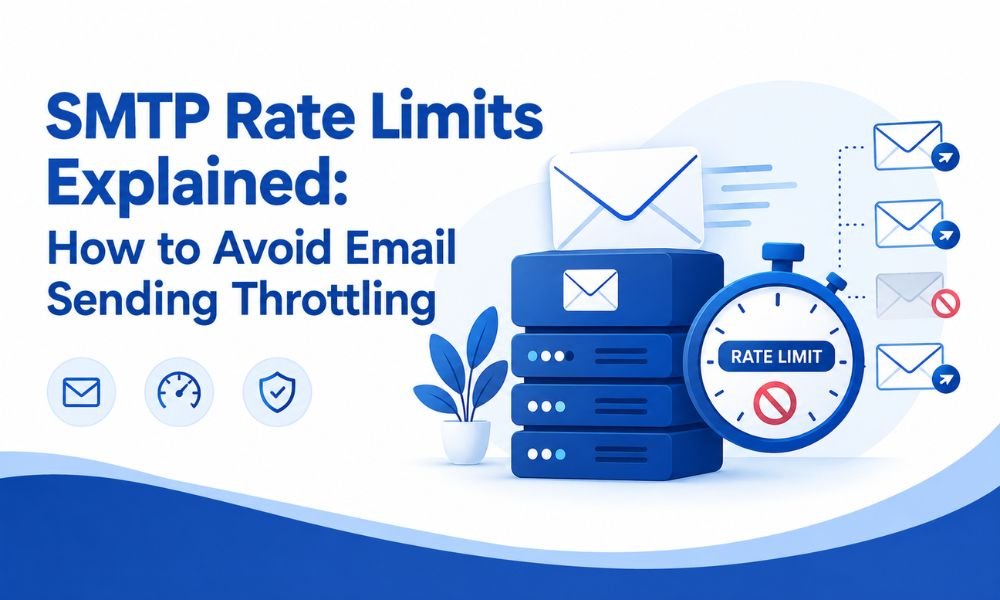
For companies building serious email programs, understanding technical infrastructure is important. Resources such as SMTP ports explained: choosing between 25, 465, and 587 can help marketers and technical teams understand how email transmission works and choose appropriate configurations.
Similarly, businesses should avoid purchasing low-quality email lists or sending unsolicited campaigns. Sustainable growth comes from permission-based subscribers and relevant communication.
7. Email and AI Will Work Together
Artificial intelligence is changing how marketers create, analyze, and optimize campaigns. AI can help businesses generate content ideas, identify audience segments, analyze customer behavior, personalize recommendations, and improve campaign workflows.
However, AI should support marketing expertise rather than replace it completely. Human judgment remains important for understanding customer needs, brand voice, ethics, positioning, and business objectives.
The most effective future email strategies are likely to combine automation and AI with human creativity and strategic oversight.
8. Email Complements Other Digital Marketing Channels
Email marketing should not be viewed as a replacement for SEO, paid advertising, social media, or content marketing. Instead, it can connect these channels.
For example, SEO and content marketing can attract a visitor to a website. A valuable lead magnet can encourage that visitor to subscribe. Email can then nurture the relationship until the subscriber becomes ready to purchase.
Paid advertising can introduce a product to a new audience, while email can help retain customers after the first transaction. Social media can create awareness, while email provides a more direct channel for ongoing communication.
This combination creates a more complete customer journey.
9. Mobile Optimization Is Essential
A large proportion of consumers read email on mobile devices. Therefore, email campaigns must be designed with smaller screens in mind.
Responsive layouts, concise subject lines, readable fonts, clear calls to action, optimized images, and fast-loading landing pages can improve the mobile experience.
A beautifully designed campaign that is difficult to read or interact with on a smartphone can lose potential sales. Mobile optimization should therefore be considered part of the overall conversion strategy rather than an optional design feature.
10. Email Can Strengthen Brand Trust
Consumers are more likely to purchase from businesses they recognize and trust. Consistent, useful communication can help establish that familiarity.
Instead of making every email a sales pitch, businesses can provide educational content, product guidance, industry insights, customer support information, and genuinely useful recommendations.
Trust also depends on transparency. Businesses should clearly identify themselves, use permission-based lists, make unsubscribe options accessible, and respect subscriber preferences.
When customers recognize that an email provides value rather than simply demanding attention, the relationship becomes stronger.
What Does the Future of Email Marketing Look Like?
The future is likely to be more personalized, automated, data-driven, and customer-focused.
Businesses will increasingly use behavioral signals to determine which content a customer receives and when they receive it. AI will assist with campaign optimization and personalization, while stronger email authentication and sender requirements will place greater emphasis on legitimate sending practices.
At the same time, customers will become more selective about the emails they allow into their inboxes. This means marketers cannot depend on high-volume messaging alone. Relevance, timing, trust, and value will become increasingly important competitive advantages.
Businesses that want to build sustainable online sales should therefore focus on developing a high-quality subscriber base rather than simply chasing large email numbers. A smaller audience that actively engages with relevant offers can be more valuable than a large, inactive database.
How Businesses Can Prepare for the Future
A strong future-ready email strategy should begin with a clear customer journey.
First, attract the right visitors through SEO, content, advertising, social media, and other acquisition channels. Next, provide a legitimate reason for interested visitors to subscribe. Then segment subscribers according to meaningful characteristics and create relevant email journeys.
Businesses should also:
- Use permission-based email collection.
- Keep subscriber databases clean and updated.
- Segment audiences instead of sending every message to everyone.
- Test subject lines, offers, content, and calls to action.
- Optimize campaigns for mobile devices.
- Monitor bounces, complaints, engagement, and conversions.
- Maintain appropriate email authentication and deliverability practices.
- Use automation for repetitive customer journeys.
- Measure revenue and business outcomes, not just opens and clicks.
- Give subscribers clear control over their email preferences.
Businesses should also understand that technical reliability is part of marketing performance. Choosing appropriate infrastructure and maintaining a strong sender reputation can help ensure that carefully created campaigns actually reach their intended audience.
Conclusion
Email marketing is not simply surviving the changing digital landscape—it is becoming an increasingly sophisticated sales and customer-retention channel. Its combination of direct communication, personalization, automation, measurable performance, and long-term relationship building makes it highly relevant to the future of online product sales.
The strongest businesses will not use email merely to send discounts. They will use it to understand customers, provide useful information, deliver personalized experiences, nurture prospects, encourage repeat purchases, and build trust.
As AI, automation, analytics, and personalization continue to develop, email marketing will become even more integrated into the online customer journey. Businesses that invest in a permission-based, value-driven email strategy today can build an audience and customer relationship that supports sustainable growth tomorrow.
The future of online product sales is not just about reaching more people. It is about building meaningful relationships with the right people—and email remains one of the most practical channels for doing exactly that.