Email marketing continues to be one of the most effective ways for businesses to build relationships, nurture prospects, and generate sales. But successful email campaigns are rarely about simply sending more messages. The strongest campaigns combine a clear objective, relevant messaging, compelling creative, personalization, and a friction-free call to action.
The following 10 email marketing examples show different strategies businesses can learn from—from welcome emails and abandoned-cart campaigns to product launches, personalization, and customer re-engagement. The goal is not to copy these campaigns word for word, but to understand the principles behind their success and apply them to your own audience.
1. Airbnb: Personalized Recommendation Emails
Airbnb has built personalization into much of its customer communication. Instead of sending generic promotional messages, travel-related emails can be based on destinations, browsing behavior, previous interactions, or customer preferences.
The lesson is simple: relevance increases attention.
For example, an email featuring properties or experiences related to a destination a subscriber has shown interest in is more useful than a generic “Book Your Next Trip” message.
Businesses can apply the same approach by segmenting subscribers according to location, previous purchases, interests, browsing behavior, or engagement level.
What to learn: Use customer data responsibly to make emails more relevant without making personalization feel intrusive.
2. Spotify: Personalized Content and Year-in-Review Emails
Spotify’s annual listening-summary campaigns became a highly recognizable example of personalized email marketing. Instead of simply promoting a subscription, the campaign gives users something about themselves: their listening habits, favorite artists, genres, and songs.
That creates an important psychological advantage. The email feels like content created for the recipient, rather than an advertisement.
The broader lesson is valuable for almost every industry. Your customer data may contain useful stories that can become marketing content.
A SaaS company could show annual product usage. An ecommerce company could summarize a customer’s favorite categories. A B2B company could provide an account activity report.
What to learn: Turn customer behavior into useful or entertaining personalized content.
3. Amazon: Product Recommendation Emails
Amazon is well known for using behavioral data to recommend products. Recommendation emails can be connected to previous purchases, viewed products, searches, or related products.
The strength of this strategy comes from matching the offer to the customer’s likely intent.
For ecommerce marketers, recommendation emails can be particularly effective after a purchase. Instead of sending another unrelated promotion, a company can suggest accessories, complementary products, replenishment items, or relevant upgrades.
For example, someone purchasing a camera may be interested in a memory card, tripod, camera bag, or additional lens.
What to learn: Use purchase and browsing behavior to create logical next offers.
4. BuzzFeed: Strong Subject Lines and Curiosity
BuzzFeed became famous for using curiosity-driven headlines, and its email strategy reflects the importance of the subject line.
The subject line is often the first—and sometimes only—reason a subscriber decides whether to open an email.
Effective subject lines generally communicate one of three things:
- A useful benefit
- A compelling curiosity gap
- A specific reason to open now
For example, instead of writing “Our New Marketing Guide,” a marketer might test something more benefit-oriented such as “7 Email Mistakes That Can Hurt Your Conversions.”
The important point is not to make subject lines misleading. Curiosity should lead to content that actually delivers on the promise.
What to learn: Test subject lines based on relevance, clarity, curiosity, and audience intent.
5. Dropbox: Re-Engagement Emails
Re-engagement emails are designed for subscribers or customers who have stopped interacting with a brand.
Dropbox has used simple, friendly messaging to remind inactive users about its service. This type of campaign demonstrates that reactivation does not always require an aggressive discount.
A good re-engagement email can ask:
“Do you still need us?”
Or it can remind customers about a useful feature, benefit, or unfinished action.
The objective is to give inactive subscribers a reason to return.
If they still do not engage after a reasonable reactivation sequence, removing or suppressing them may actually improve overall list quality.
What to learn: Re-engagement should provide a clear reason to return rather than repeatedly sending generic promotions.
6. Sephora: Loyalty-Focused Email Marketing
Sephora demonstrates how email can support a broader customer loyalty strategy. Loyalty-related emails can communicate rewards, personalized recommendations, exclusive offers, product launches, and member benefits.
This works because the email is connected to an existing relationship.
For businesses with loyalty programs, email can become the communication layer that keeps customers aware of their benefits.
Instead of focusing exclusively on discounts, marketers can communicate recognition and exclusivity:
- New member benefits
- Reward availability
- Early access
- Personalized recommendations
- Special events
- Birthday rewards
What to learn: Give loyal customers reasons to feel recognized, not just reasons to buy.
7. Grammarly: Benefit-Driven Email Marketing
Grammarly frequently uses email to communicate product value, usage insights, and recommendations.
This highlights a powerful SaaS marketing principle: show customers the value they are receiving.
A SaaS business could send an email showing:
- Features the customer has used
- Features they have not tried
- Productivity insights
- Usage milestones
- Personalized recommendations
- Tips for getting more value from the product
This approach shifts the email from “Buy our software” to “Here is how our software can help you.”
For subscription businesses, demonstrating ongoing value can also support retention.
What to learn: Use email to educate customers about the value of a product, not merely to promote it.
8. Netflix: Behavioral Trigger Emails
Netflix provides a strong example of behavioral email marketing. Recommendations, new releases, reminders, and viewing-related communication can be connected to individual user activity.
Behavioral triggers are powerful because they are sent based on an action or event.
Common examples include:
- Welcome emails
- Abandoned-cart reminders
- Product-view reminders
- Trial-expiration emails
- Renewal reminders
- Post-purchase emails
- Replenishment reminders
- Re-engagement campaigns
Triggered campaigns can be more relevant than sending the same newsletter to every subscriber.
What to learn: Build automated campaigns around customer actions and lifecycle stages.
9. Charity: Water: Storytelling-Based Emails
Nonprofit organizations often demonstrate the power of emotional storytelling in email marketing. Charity: Water is a frequently discussed example because storytelling can connect donations to tangible human outcomes.
The lesson applies beyond nonprofits.
A business can use storytelling to explain:
- Why a product was created
- How a customer solved a problem
- What happened behind the scenes
- How a product is manufactured
- The journey of a company
- A real-world customer success story
Storytelling makes an email more memorable because it gives the reader context rather than presenting only a sales message.
What to learn: Use authentic stories to communicate purpose, transformation, and customer outcomes.
10. Dollar Shave Club: Personality and Brand Voice
Dollar Shave Club became known for combining straightforward product positioning with a distinctive brand personality.
This demonstrates another important email marketing principle: your voice can be part of your competitive advantage.
A company does not necessarily need to sound formal to appear professional. Depending on the audience, humor, conversational language, or personality can make emails more recognizable.
However, brand voice should match the customer and industry. A financial services company communicating about compliance should generally use a different tone from a lifestyle brand.
What to learn: Develop a recognizable voice that makes your emails feel human and consistent with your brand.
What These Successful Email Campaigns Have in Common
Although these examples use different strategies, several common principles appear repeatedly.
1. They Put Relevance First
Successful email marketing is rarely about sending the largest possible number of emails. It is about sending the right message to the right audience at the right time.
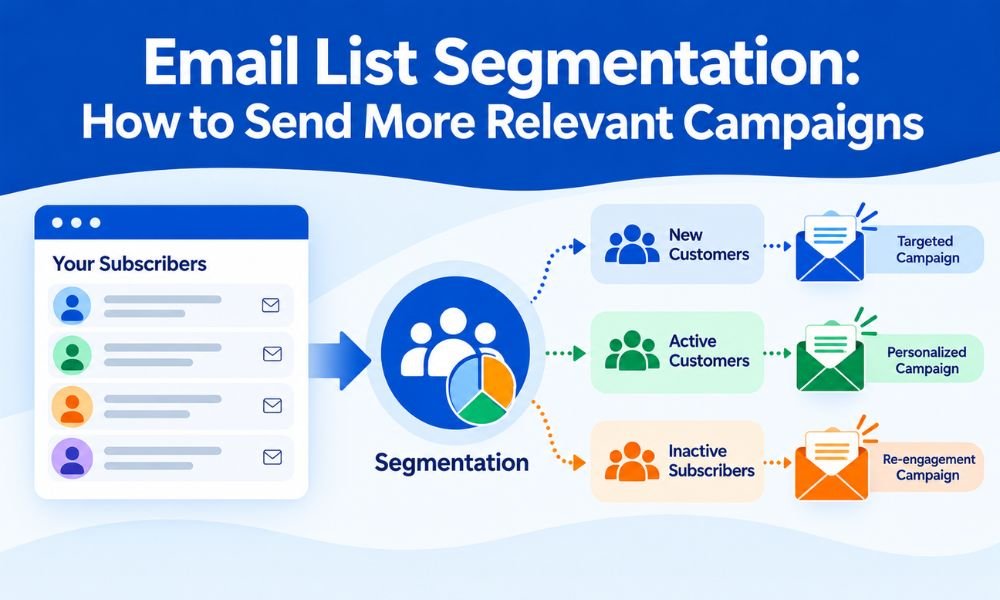
Segmentation can help separate customers based on interests, engagement, purchase history, location, or lifecycle stage.
2. They Have One Clear Objective
An email should have a primary purpose.
That could be:
- Making a sale
- Getting a registration
- Encouraging a renewal
- Educating a customer
- Driving a product trial
- Recovering an abandoned cart
- Re-engaging an inactive subscriber
Multiple competing calls to action can make the message harder to understand.
3. They Respect Deliverability
A brilliant email is useless if it never reaches the inbox.
Marketers should monitor bounce rates, engagement, authentication, sender reputation, and spam complaints. Maintaining a clean database and following responsible sending practices is essential.
If deliverability is a concern, reviewing how to monitor email bounce rates with advanced analytics tools can help marketers understand which metrics deserve attention.
4. They Optimize for Mobile
Many subscribers read email on smartphones. That means marketers should pay attention to responsive design, readable typography, concise copy, appropriately sized buttons, and fast-loading content.
Mobile optimization is not simply a design preference—it can directly influence whether a subscriber can understand and act on the message.
5. They Test and Improve
Successful campaigns are rarely perfect on the first attempt.
Marketers can test:
- Subject lines
- Preview text
- CTAs
- Email length
- Images
- Offers
- Send times
- Personalization
- Segmentation
The key is to test meaningful variables and use actual campaign data to guide future decisions.
How to Apply These Email Marketing Examples to Your Business
You do not need the resources of a global brand to use these strategies.
A small business can start with a simple lifecycle:
Subscriber joins → Welcome email → Educational content → Relevant offer → Follow-up → Customer email → Re-engagement
For ecommerce businesses, add abandoned-cart and post-purchase campaigns.
For SaaS companies, consider onboarding, feature education, trial reminders, and retention campaigns.
For B2B businesses, lead nurturing and educational sequences can help move prospects toward a sales conversation.
Your infrastructure also matters. Choosing an appropriate email delivery setup can support reliable transactional and marketing communication. If you’re evaluating delivery infrastructure, compare your requirements carefully before choosing an SMTP server for bulk email campaigns.
Final Takeaway
The best email marketing examples are successful for different reasons, but they share a common foundation: relevance, clear messaging, useful content, personalization, strong calls to action, testing, and reliable delivery.
The biggest mistake is trying to copy another company’s campaign without understanding why it worked. Instead, identify the underlying strategy.
Use personalization like Airbnb, behavioral recommendations like Amazon and Netflix, storytelling like successful nonprofits, loyalty messaging like Sephora, and a distinctive voice like Dollar Shave Club.
Then adapt those ideas to your own audience, customer journey, and business objectives.
Ultimately, effective email marketing is not about sending more emails. It is about creating emails that subscribers want to open, understand, and act on.